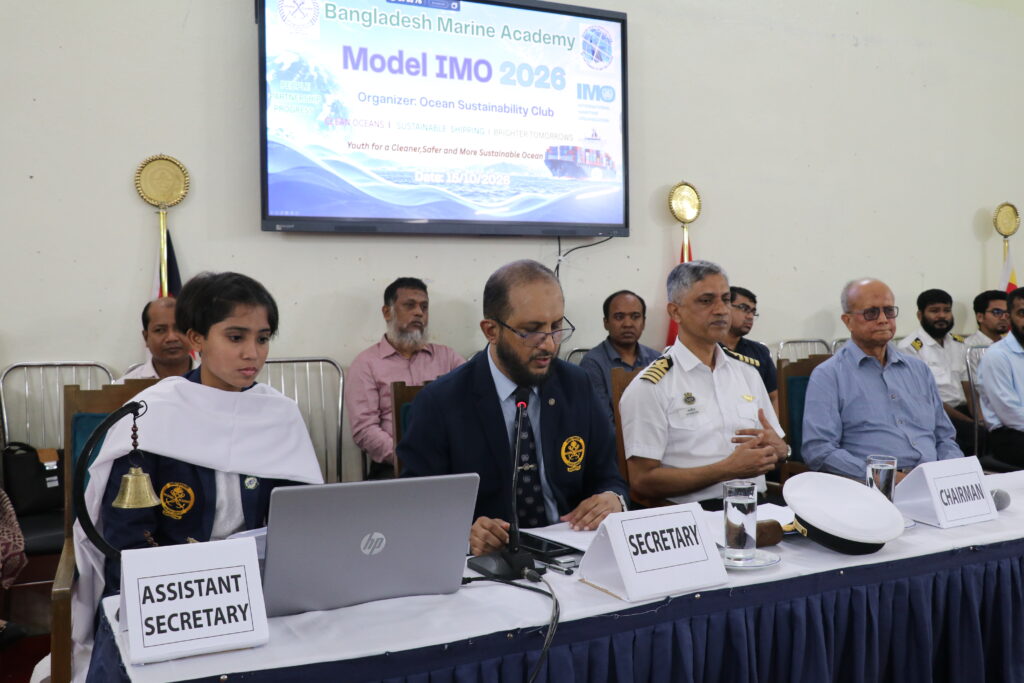
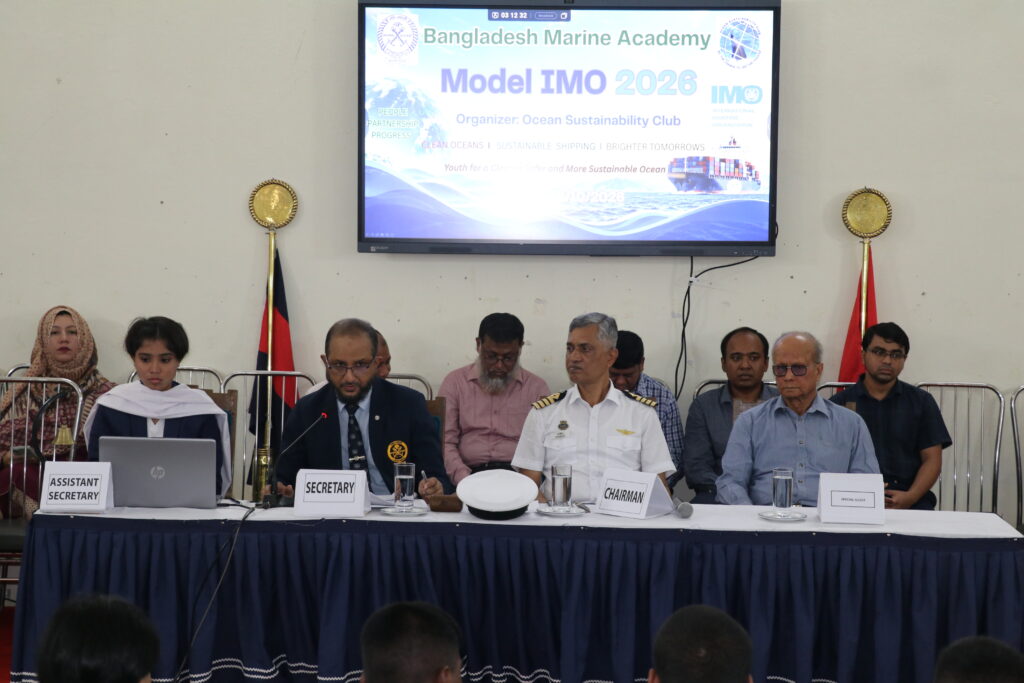
The Ocean Sustainability Club (OSC) successfully organized Model IMO 2026 at Bangladesh Marine Academy, Chattogram, introducing an innovative educational initiative that created tremendous enthusiasm among cadets and marked another significant milestone in the Club’s journey towards developing future maritime leaders.
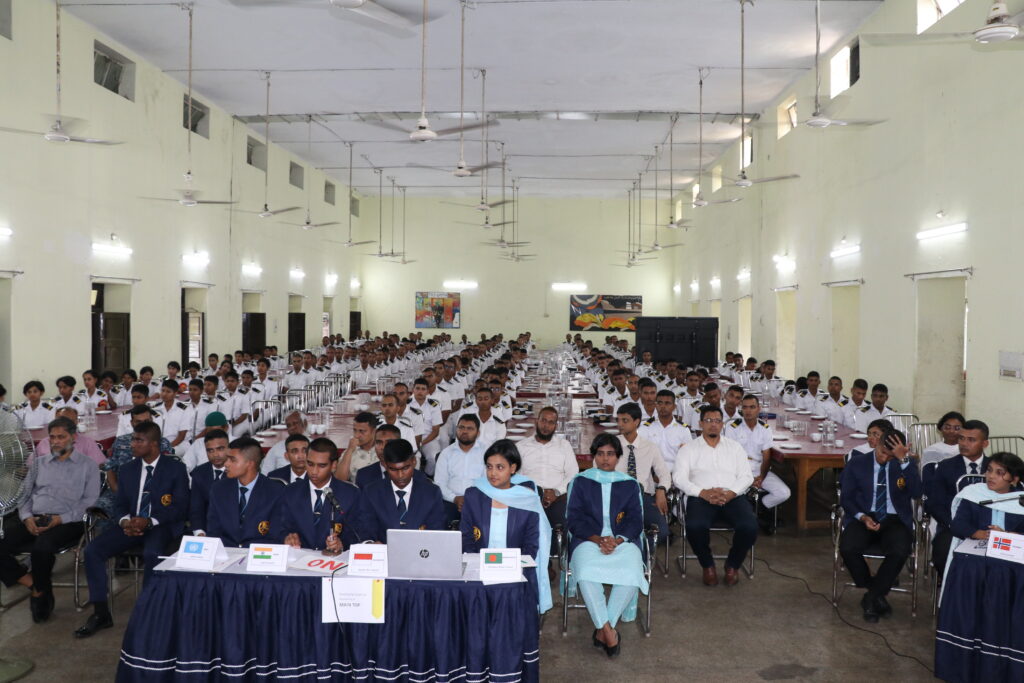
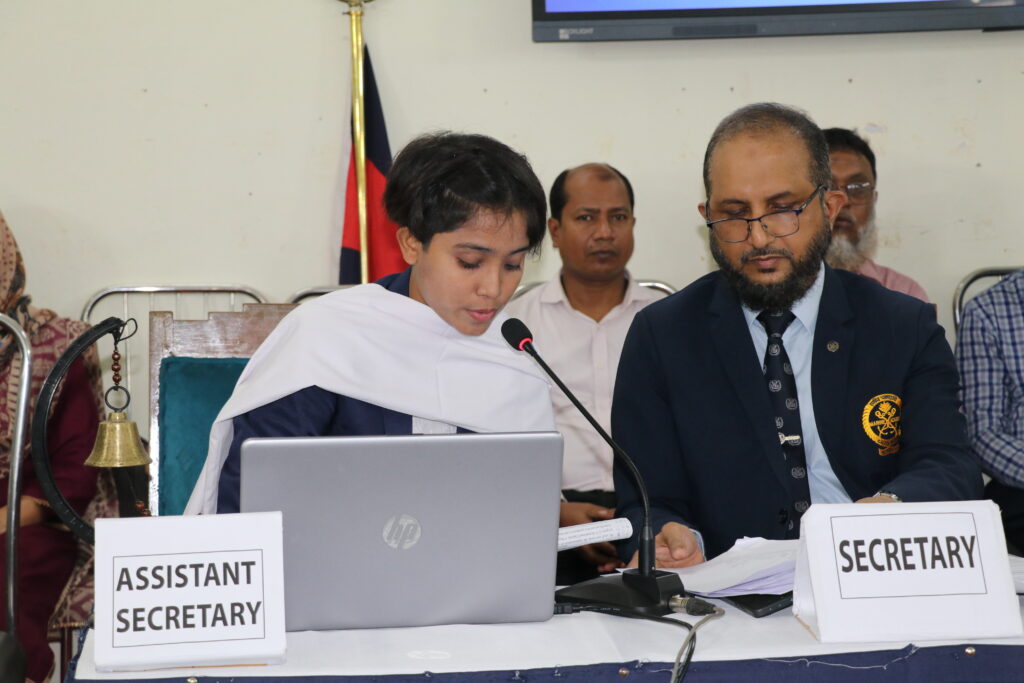
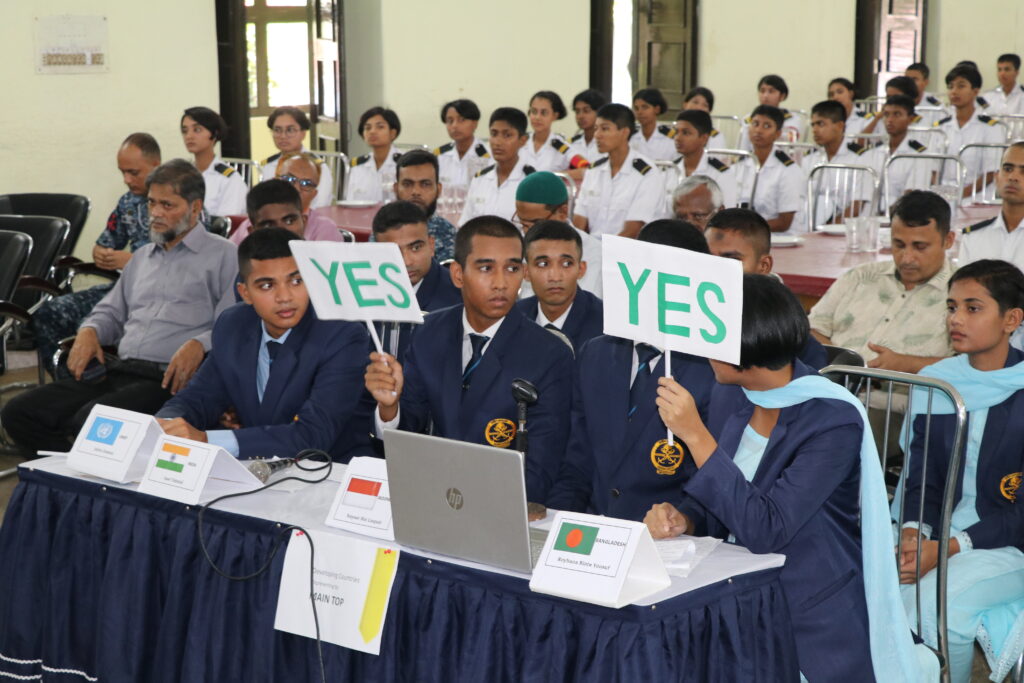
Organized for the first time at Bangladesh Marine Academy, the programme offered cadets a unique opportunity to experience the proceedings of an international maritime forum through a realistic simulation of the International Maritime Organization’s Marine Environment Protection Committee (MEPC).
The session focused on the theme:
“Strengthening International Action to Prevent and Reduce Marine Plastic Litter from Ships and Maritime Activities.”
Bringing International Maritime Diplomacy into the Academy
One of the most remarkable achievements of Model IMO 2026 was its ability to introduce cadets to an entirely new dimension of professional learning.
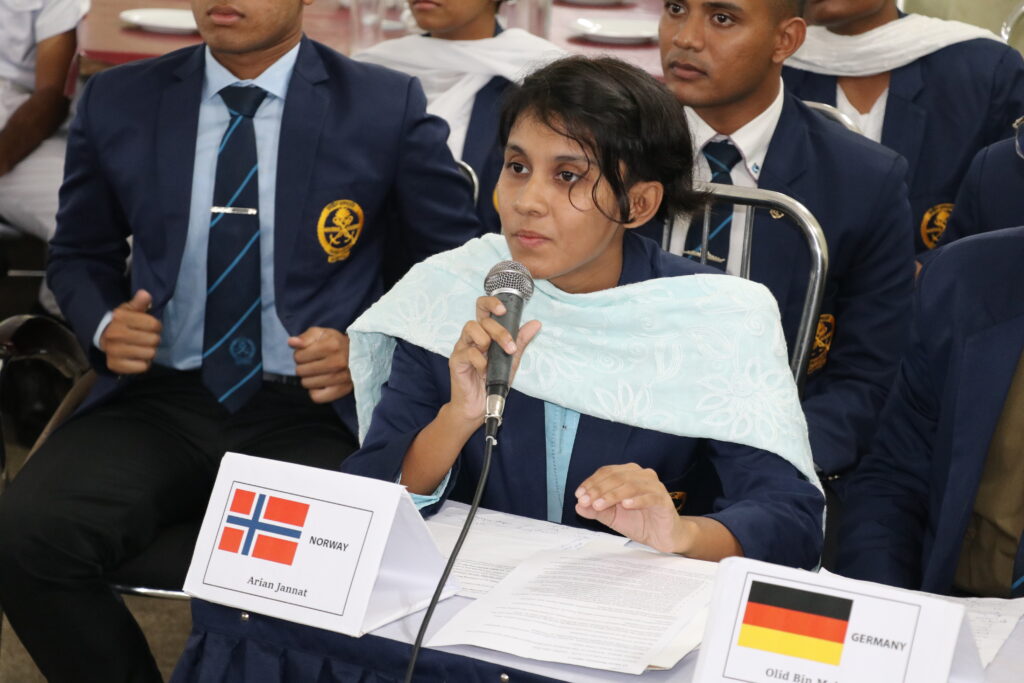
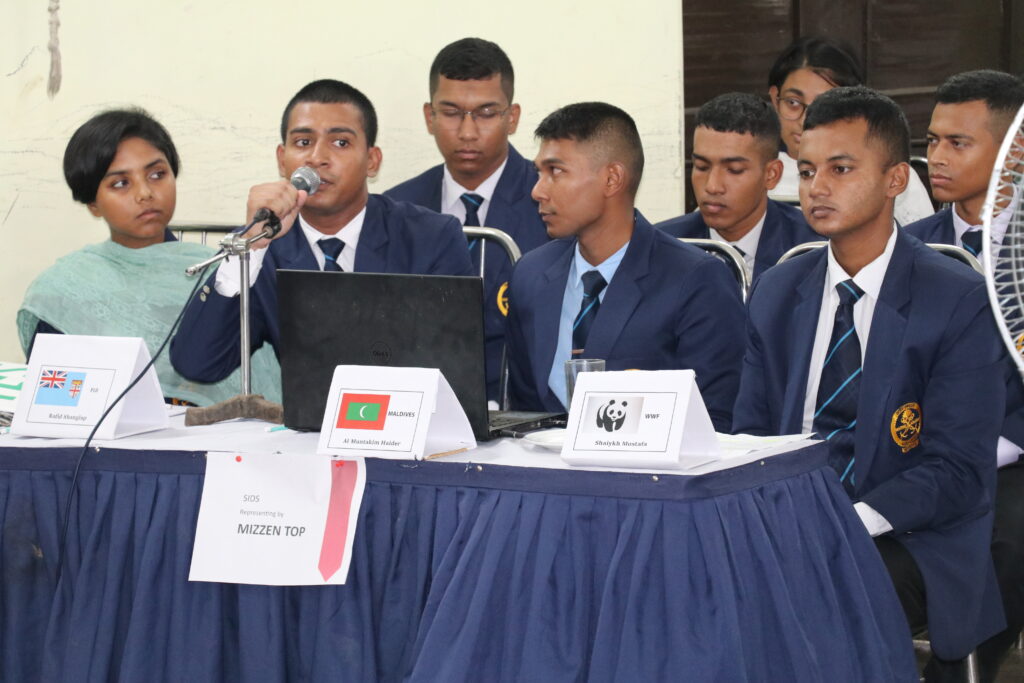
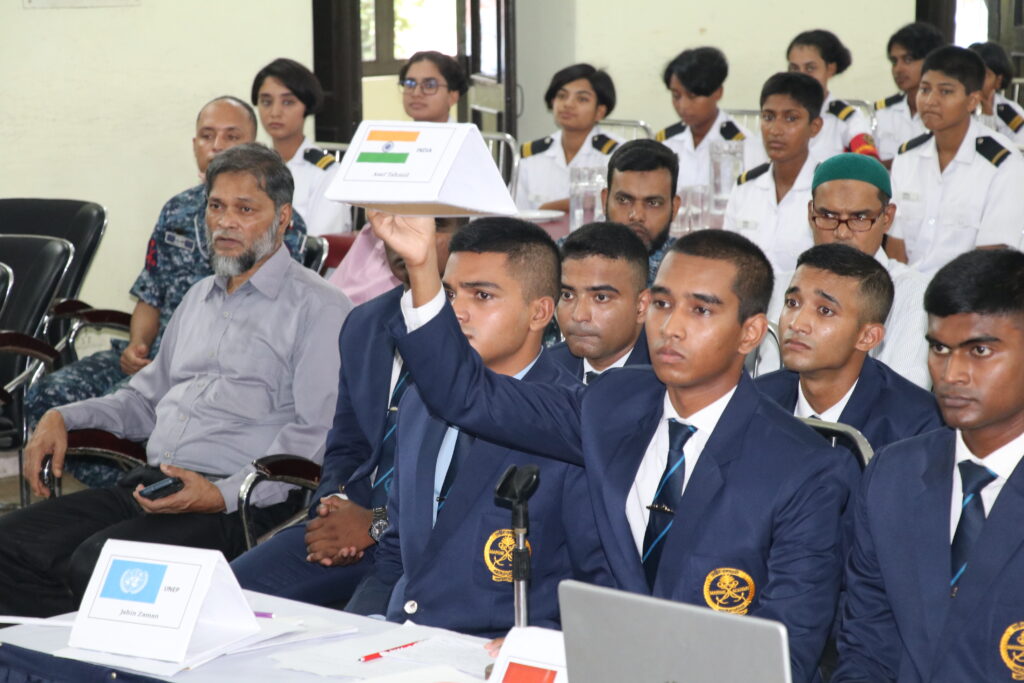
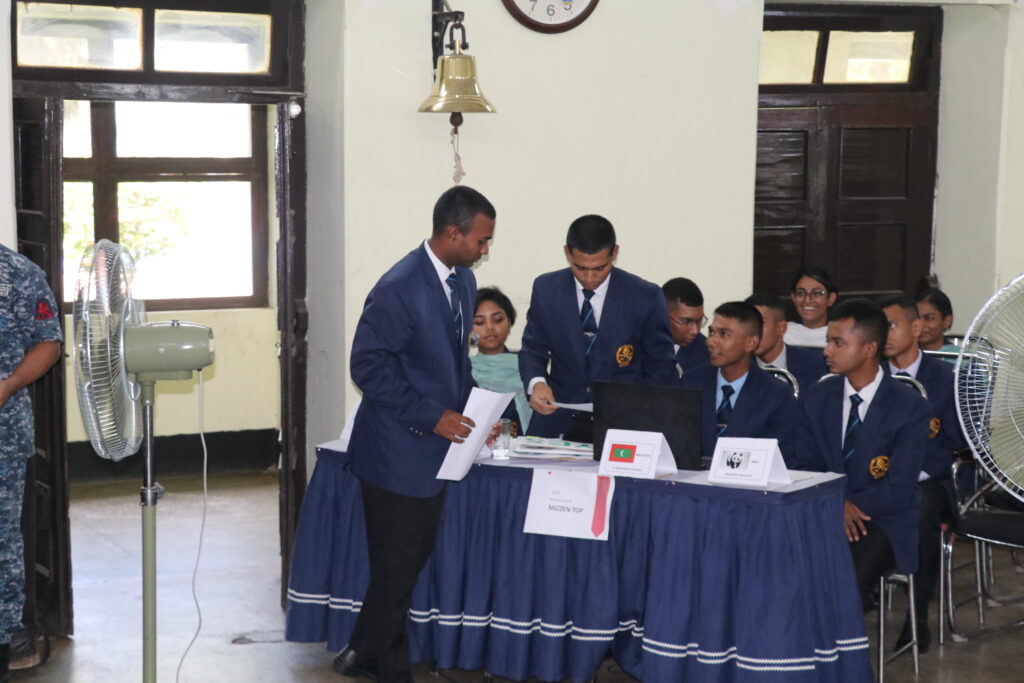
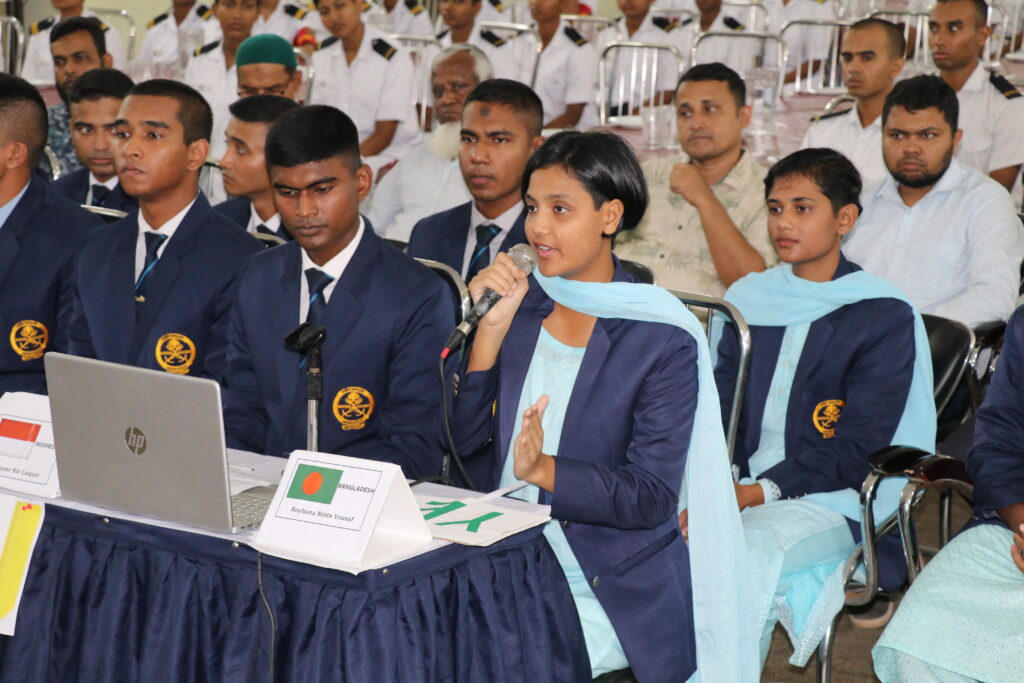
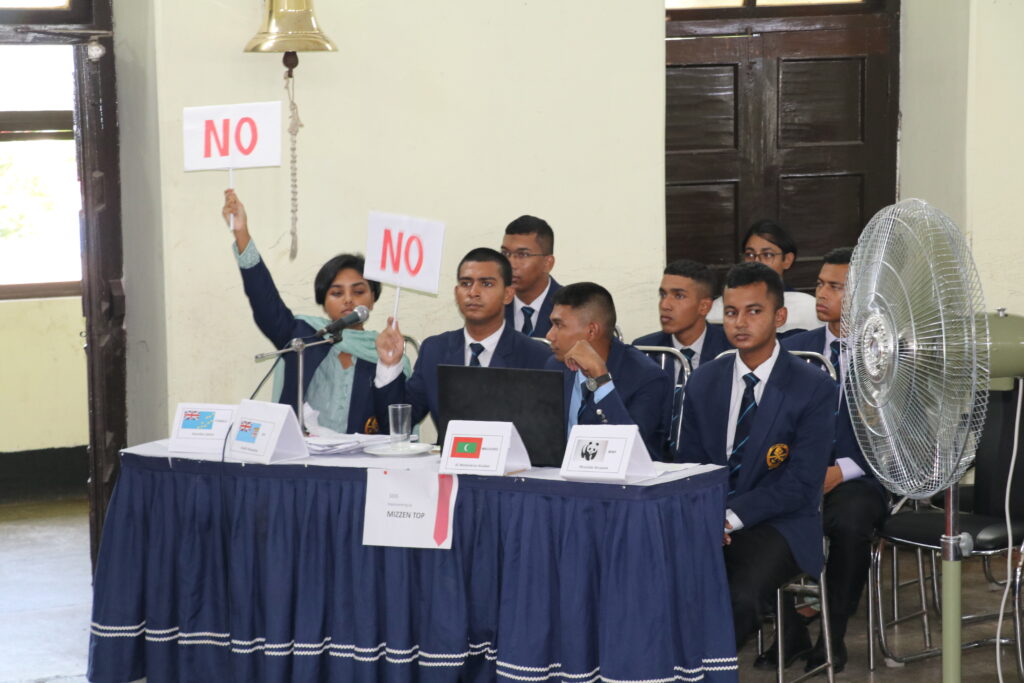
Nine Member States and three international observer organizations were represented by cadets, divided into three negotiating groups: Developing Coastal States, Developed Maritime States, and Small Island Developing States.
The participants enthusiastically embraced their assigned roles, researching national positions, preparing diplomatic statements, and learning the formal language and etiquette used in international negotiations.
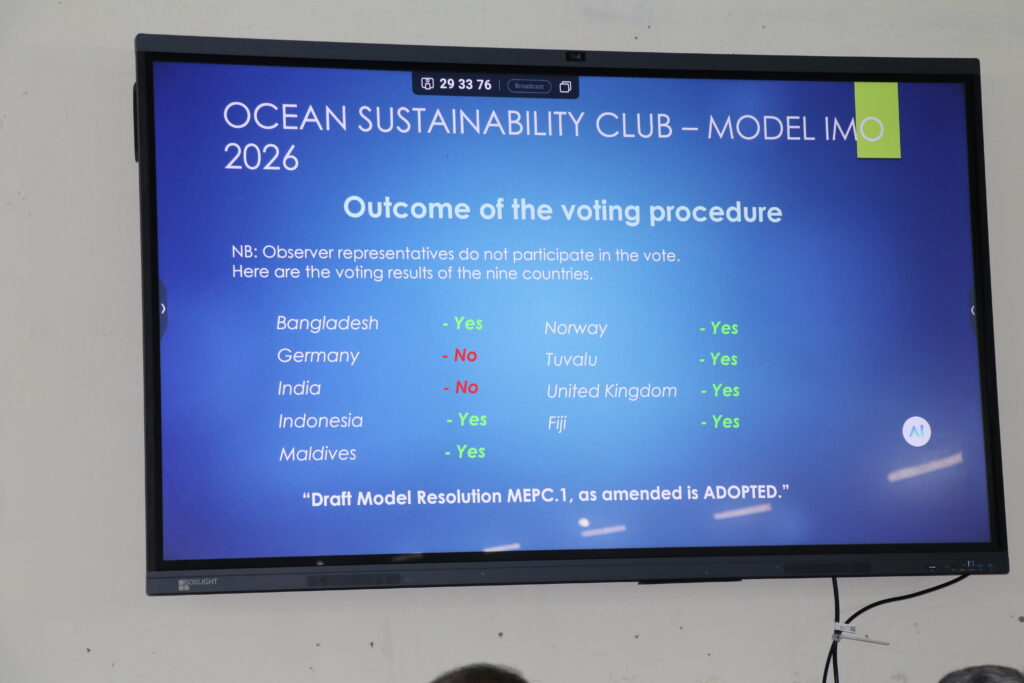
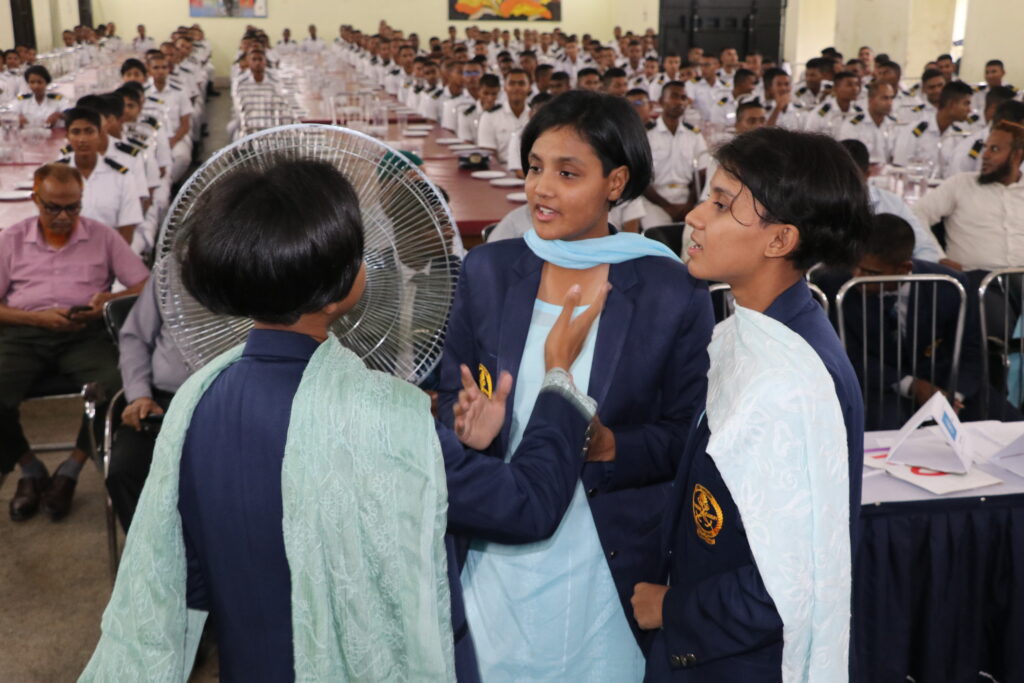
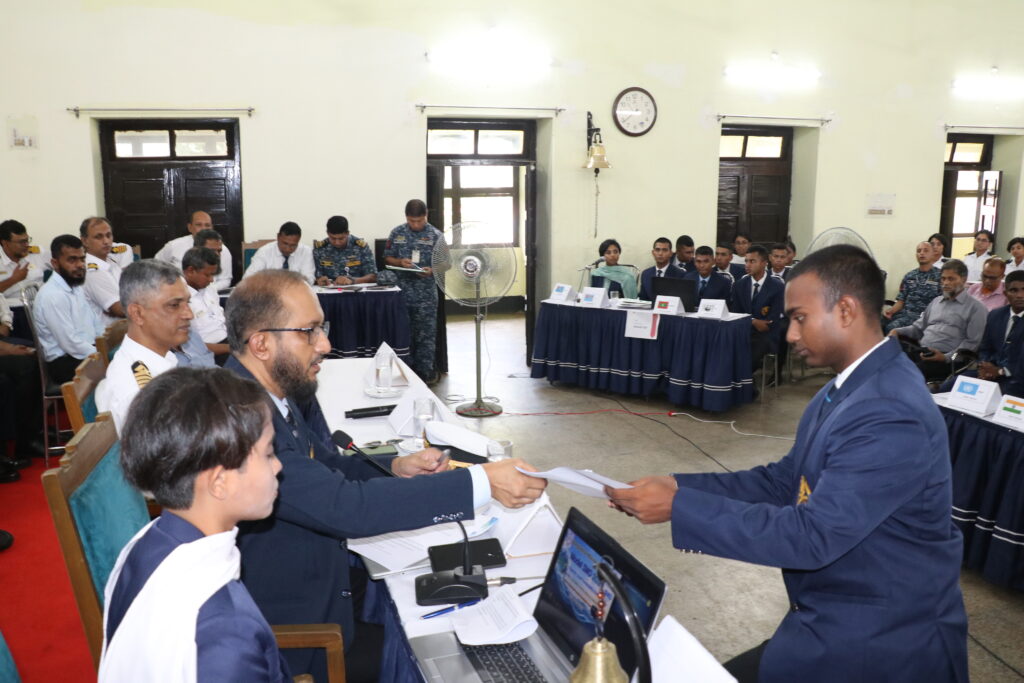
Through carefully orchestrated proceedings, the cadets experienced country-position statements, moderated discussions, cross-group consultations, diplomatic negotiations, proposed amendments, and formal voting.
The session concluded with the adoption of Model Resolution MEPC.1, as amended, demonstrating how different national interests can be addressed through negotiation and collective decision-making.
An Exciting and Transformative Learning Experience
For many participants, Model IMO 2026 was their first exposure to the language, procedures, and complexities of international maritime diplomacy.
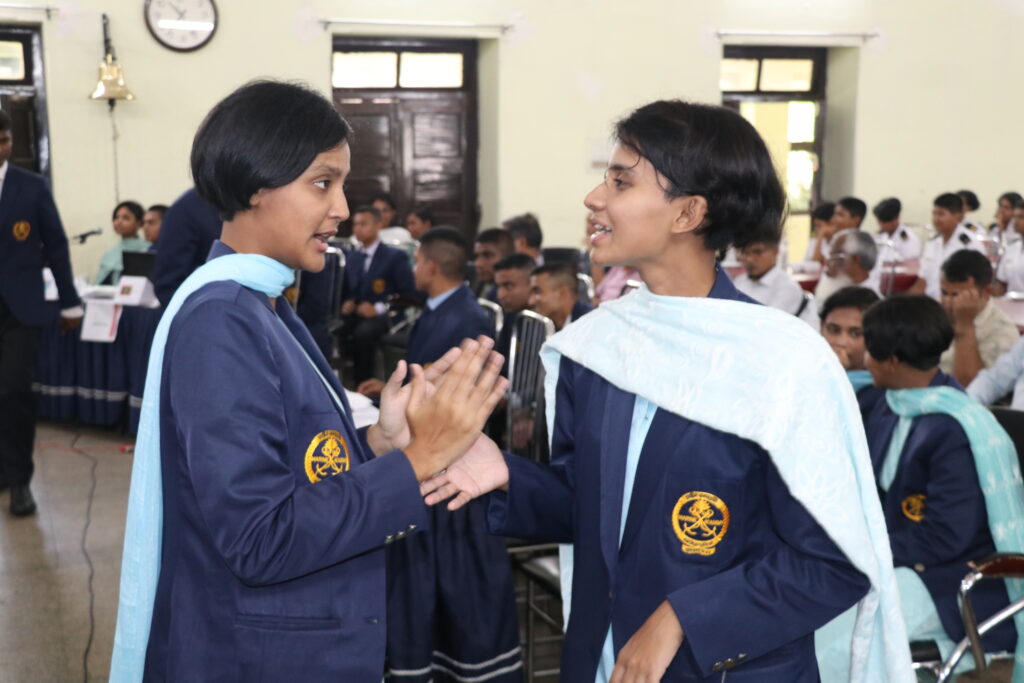
The enthusiasm among club members was particularly encouraging. Cadets actively discussed their assigned countries’ positions, exchanged ideas within their groups, developed arguments, and practised diplomatic expressions with remarkable interest and commitment.
The participants expressed their excitement and appreciation for an opportunity to experience procedures normally encountered in international forums such as IMO and the United Nations.
By recreating these complex international proceedings within the Academy, the Ocean Sustainability Club made a highly specialized learning experience accessible to young maritime cadets.
Beyond public speaking, the programme strengthened their confidence, analytical thinking, teamwork, negotiation skills, professional communication, and understanding of international cooperation.
Commandant Appreciates the Innovative Initiative
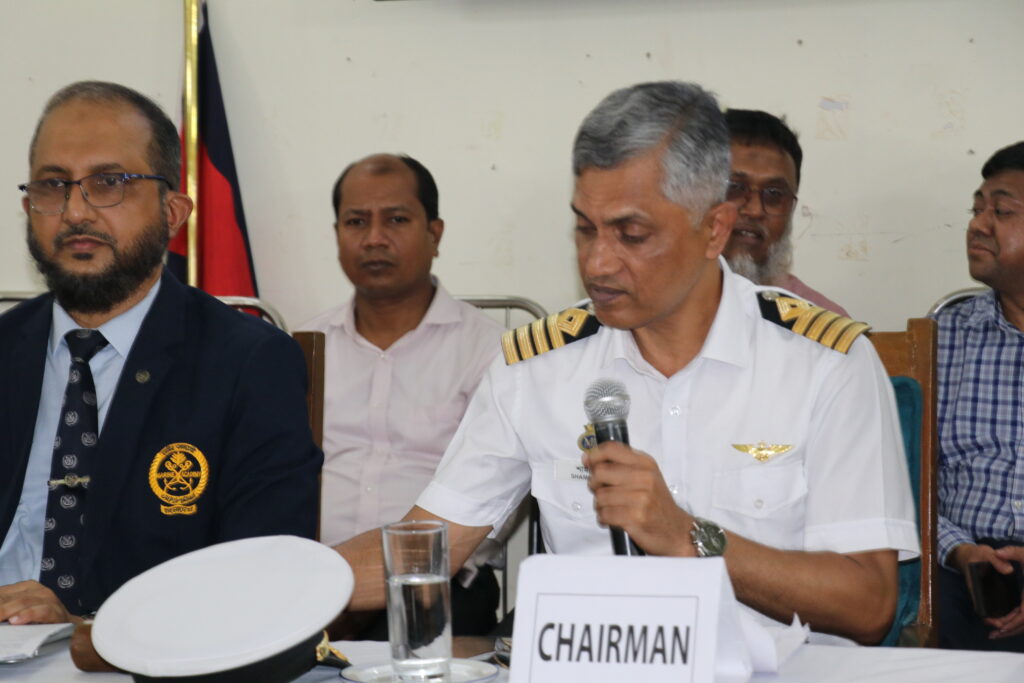
The Commandant of Bangladesh Marine Academy, who chaired the session and serves as Chief Patron of the Ocean Sustainability Club, expressed his appreciation for the innovative concept, enthusiastic participation of cadets, and smooth execution of the programme.
He particularly commended Captain Feroz Mostafa, President and CEO of the Ocean Sustainability Club, for his initiative, leadership, and meticulous coordination in introducing and successfully organizing this new educational activity.
The distinguished special guest, Captain Khairul Anam, an accomplished Master Mariner and alumnus of the Academy’s 9th Batch, also appreciated the cadets’ impressive diplomatic language, confidence, and presentation standards.
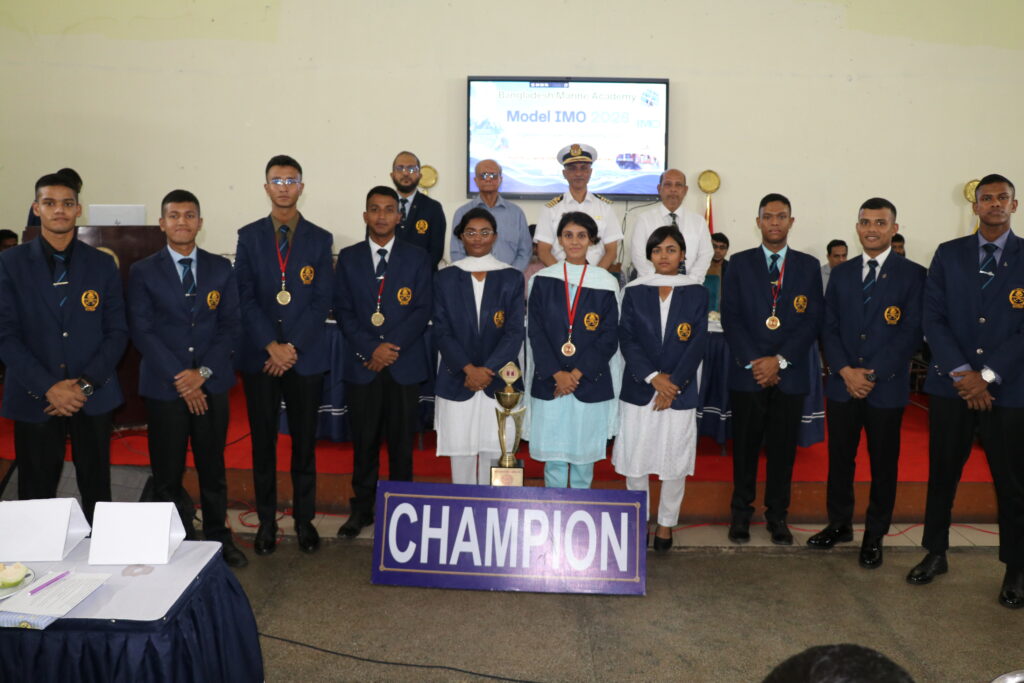
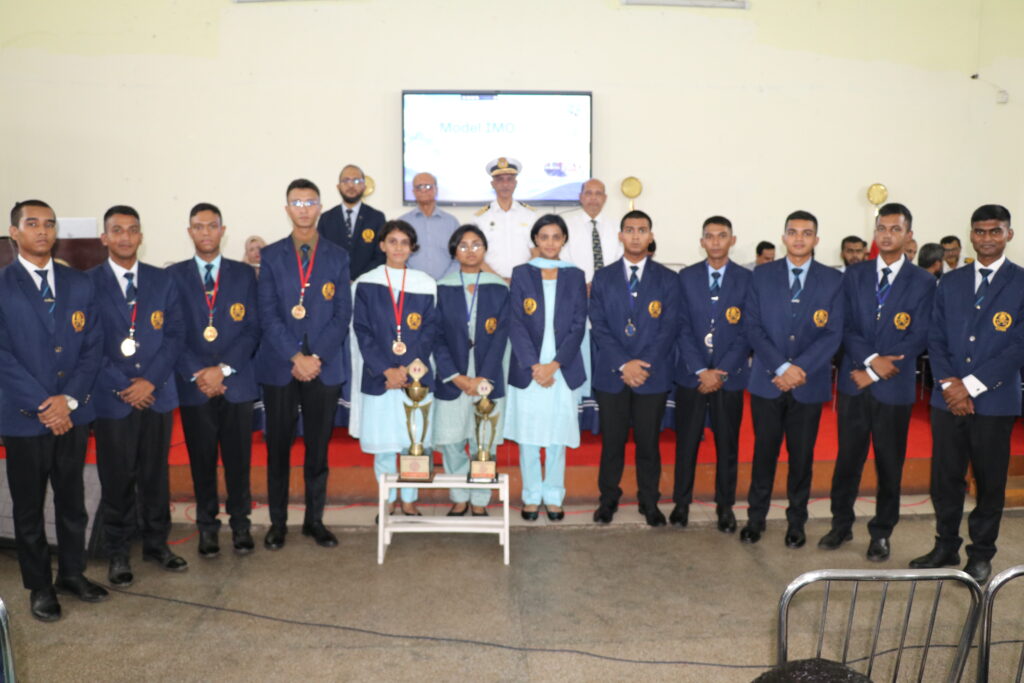
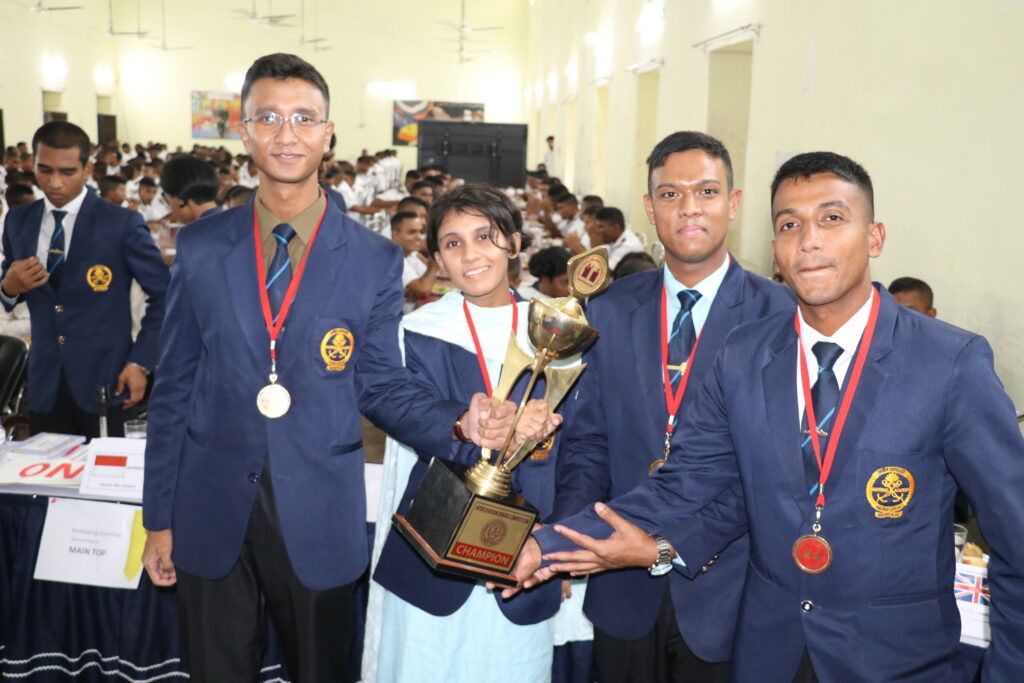
The Developed Maritime States group emerged as the champion of the competition, while all participating cadets were recognized for their dedication and commendable performances.
Another Step Towards Developing Future Maritime Leaders
Following the Club’s successful project-presentation initiative in the previous year, Model IMO 2026 represents another important advancement in its commitment to practical, innovative, and experiential learning.
The overwhelming enthusiasm and positive feedback from participating cadets reaffirmed the value of creating educational opportunities beyond conventional classroom teaching.
Model IMO 2026 was more than a competition. It was an opportunity for cadets to think like international delegates, communicate like diplomats, negotiate with confidence, and understand how global maritime decisions are made.
Through such pioneering initiatives, the Ocean Sustainability Club continues to promote ocean sustainability while preparing confident, environmentally responsible, and globally competent maritime professionals.
Another milestone achieved. Another generation inspired. Another step towards maritime leadership.
Learning Today. Leading Tomorrow. Protecting Our Oceans Together.